
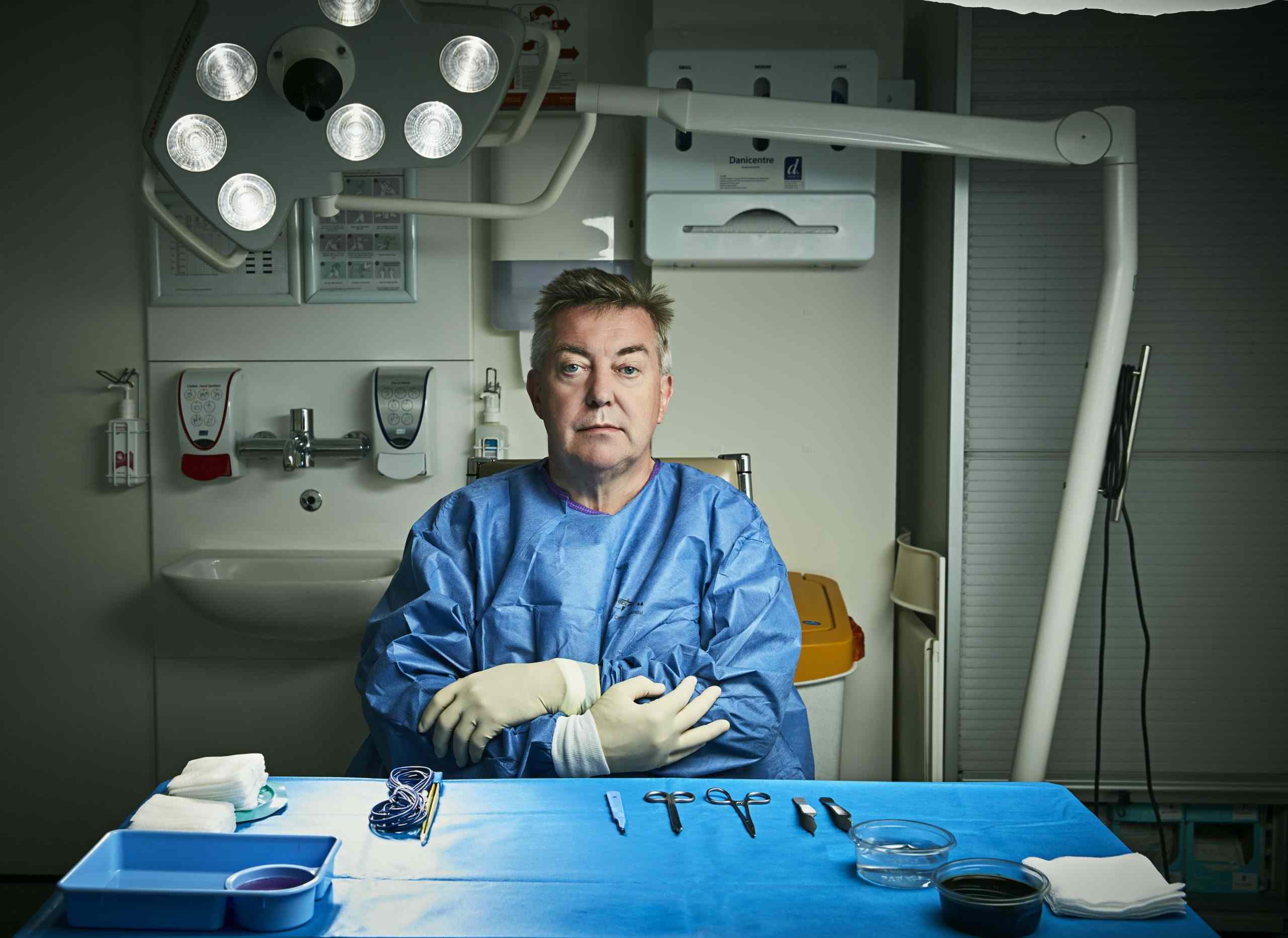
I saw a patient recently, let’s call him Mr White, a 53-year-old black man who came to see me after a PSA test at his golf club showed a very high reading. Further scans and a biopsy sadly confirmed that he had advanced prostate cancer.
We’ve started him on treatment, including hormone therapy and chemotherapy, and while there are several good options available, a complete cure is unfortunately very unlikely at this stage. Cases like his are always difficult, not only because of the diagnosis, but because of how preventable the situation might have been.
Eight years ago, Mr White had actually asked his GP for a PSA test. He had every reason to be concerned since several close relatives had died from prostate cancer, and he knew that being black placed him at higher risk.
His GP, however, declined. At that time, NHS guidelines didn’t recommend PSA screening for men without symptoms, even those considered higher risk. The reasoning was understandable to a degree because the PSA test isn’t perfect. It can pick up harmless conditions or occasionally miss cancers altogether. Doctors were encouraged to discuss the test with patients but were not necessarily advised to recommend it.
Still, it’s hard not to feel that in Mr White’s case, this decision cost him the chance for a much simpler and more effective treatment.
Almost certainly. If we had checked his PSA when he was 45, we might have caught the cancer early when it was still confined to the prostate and easily treated with surgery alone. At that stage, the chance of a full cure would have been around 90 percent.
Now, after months of hormone treatment and radiotherapy, his cancer is thankfully in remission, but his journey could have been very different. Understandably, he struggles to see why there’s still hesitation about screening men with clear risk factors.
Prostate cancer is common, particularly in older men, those with a family history, or black men. The key is awareness and early action.
Here’s what I tell my patients:
If something feels wrong, get it checked. Mr White’s experience is a powerful reminder that early testing can make all the difference. If you’re worried about prostate cancer or simply want to understand your risk, have that conversation with your GP.